Background
An engineer fluent in acquisition
I've spent more than twenty years at the point where technology meets consequence.
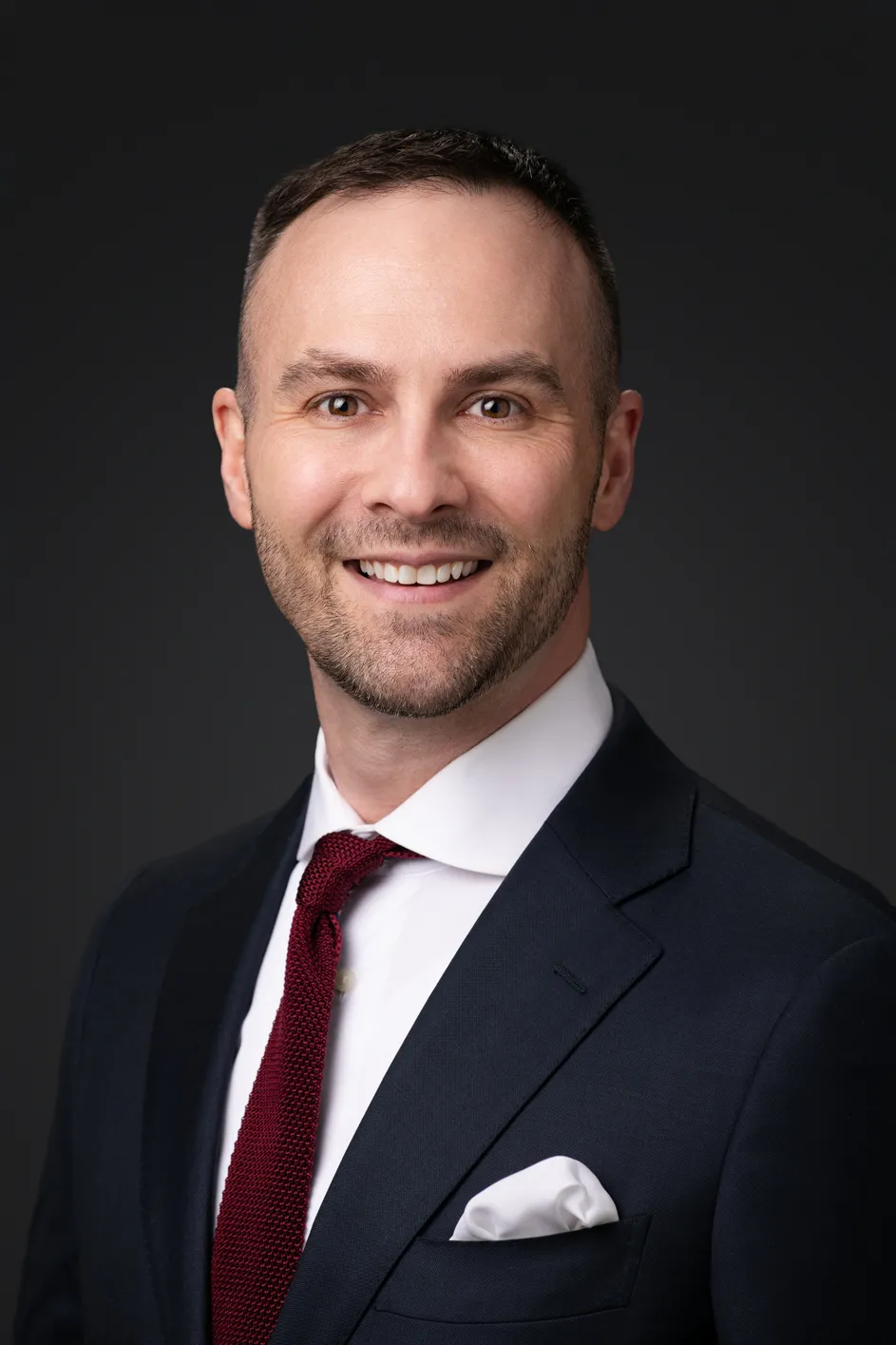
I started in the Air Force, in security forces, protecting things that mattered and learning that the systems people rely on have to work the first time, every time. Even then, with no title that suggested it, I was writing small applications to fix broken processes nobody else thought to question: tracking training records, recovering unpaid fines, replacing paper with something that actually held up. That instinct, seeing a broken process and quietly building the fix, became the through-line of everything that followed.
From there the work got more serious and the stakes got higher, including supporting NASA's Mars Curiosity mission. Even in roles that had nothing to do with software on paper, I kept building it, automating the broken processes I found around me. Eventually that became the work itself. I moved into systems and automation in higher education and industry, then into the defense world: overseeing multi-billion-dollar software development contracts, and later leading software mission assurance for national missile defense, where a missed defect is not an inconvenience. The same work carried into federal technology modernization more broadly, getting public-facing systems funded, governed, and actually delivered.
Two things held that whole path together. The first is that I never stopped being an engineer, even as the roles turned strategic. I can still read the architecture and judge the delivery, and I think that's why the strategy tends to land. The second is acquisition. Somewhere along the way I learned the other language, the one written in statements of work and contracts and the federal machinery that decides whether good technology ever reaches anyone. I hold federal and defense acquisition credentials, but the part that matters was never on a certificate.
Most organizations don't fail because the technology is wrong. They fail because the people who understand the technology and the people who control how it gets funded and delivered are speaking different languages, confidently, past each other. I've spent my career standing in the space between them, fluent in both. That's the work I care about: taking real engineering truth and turning it into programs that get funded, governed, and actually delivered, in the places where it has to work.
Credentials
- FAC-P/PM (Federal Acquisition Certification for Program and Project Managers)
- Defense Acquisition Corps member
- 20+ years of progressively responsible federal service